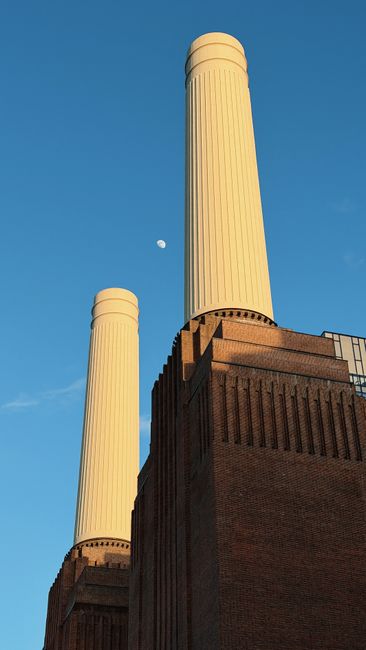
Cheapest rubbish removal rates in Battersea Power Station area
If you are trying to find the Cheapest rubbish removal rates in Battersea Power Station area, you are probably after two things at once: a fair price and a service that actually turns up, clears the waste properly, and does not leave you chasing callbacks all afternoon. Fair enough. In a busy part of London, with flats, new developments, narrow access points and the odd awkward lift situation, the cheapest option is not always the one with the lowest headline number. It is the one that gives you the best total value for the job you actually need done.
This guide breaks down how rubbish removal pricing usually works locally, what affects the final cost, where people often overspend, and how to keep the bill under control without cutting corners. If you are clearing a flat, getting rid of old furniture, or dealing with renovation debris, you will find practical ways to save money and avoid the usual headaches.
Table of Contents
- Why cheapest rubbish removal rates in Battersea Power Station area matters
- How cheapest rubbish removal rates in Battersea Power Station area works
- Key benefits and practical advantages
- Who this is for and when it makes sense
- Step-by-step guidance
- Expert tips for better results
- Common mistakes to avoid
- Tools, resources and recommendations
- Law, compliance, standards, or best practice
- Options, methods, or comparison table
- Case study or real-world example
- Practical checklist
- Conclusion
- Frequently asked questions
Why cheapest rubbish removal rates in Battersea Power Station area matters
Battersea Power Station and the surrounding streets sit in one of those London pockets where convenience matters almost as much as cost. You may be dealing with apartment moves, landlord deadlines, end-of-tenancy clear-outs, or the sort of house and flat clutter that quietly grows in the corner until one day you finally think, right, that has to go.
Price matters because waste removal can become expensive quickly if the job is booked badly. A small load, handled efficiently, may be straightforward. But if the provider prices by volume, labour time, access, or load type, then the wrong assumptions can bump up the bill. For many people, the real challenge is not finding a service, but finding one that fits the job properly.
In practice, the cheapest fair rate usually comes from matching the service to the waste. A few bags of mixed household rubbish should not be priced like a full builders clear-out. Likewise, a bulky sofa collection should not be treated as a tiny bin bag job. The better you define the load, the better your chances of getting a clean, competitive quote.
There is also a trust angle here. Affordable rubbish removal only feels affordable if the company handles collection, loading, and disposal responsibly. If waste is fly-tipped or mismanaged, the cheap price starts looking very expensive indeed. Nobody wants that kind of surprise.
How cheapest rubbish removal rates in Battersea Power Station area works
Most rubbish removal services price jobs using a mix of volume, weight, labour, and access. Some will quote by the amount of space your waste takes in the vehicle. Others look at the type of waste and whether it needs two people, stairs, parking considerations, or extra sorting. Around Battersea Power Station, access can be the detail that changes everything.
Here is the basic flow. You describe the waste, the provider estimates how much vehicle space and labour the job will need, and you receive a quote. On the day, the team arrives, loads the items, and takes them away for disposal, reuse, or recycling where possible. Simple enough. In reality, small details make a big difference.
For example, a single bulky item on the tenth floor with a tight lift is not the same as a few bin liners left at ground level. Likewise, construction rubble, plasterboard, old timber, and mixed renovation waste often require a different approach from general household rubbish. If you want the cheapest rubbish collection experience, you need to be accurate about what you have. Not dramatic, just accurate.
The smartest customers usually do three things:
- Sort items before requesting a price.
- Take a quick inventory or photo set.
- Clarify whether access issues, parking, or lifting are included.
That last point is a big one. A quote can look attractive until stairs, waiting time, or an awkward loading point are added later. Ask early. It saves a lot of back-and-forth and, frankly, a fair bit of irritation.
Key benefits and practical advantages
There is more to low-cost rubbish removal than simply spending less. When done well, it makes the whole clear-out easier to manage, especially if you are balancing work, family life, or a move.
- Lower overall cost: The obvious one. You avoid paying for space or labour you do not need.
- Less stress: A fast collection can clear a room in one go rather than dragging out the process over days.
- Better use of time: Many people would rather spend Saturday morning doing literally anything else.
- Cleaner space, faster: This is especially useful in flats, shared buildings, or properties being prepared for sale or rent.
- More flexible than skip hire in many cases: If you do not have space for a skip or do not want permit complications, a collection service can be far more practical.
The best part? You can often reduce the quote simply by preparing well. Sorting items, consolidating bags, and separating reusable items from general waste often makes the job quicker. Quick jobs tend to stay cheaper. That is just how it goes.
For bigger household jobs, you may find it helpful to look at broader services such as home clearance or house clearance if the waste includes furniture, small appliances, and mixed household items. For a smaller, more targeted job, rubbish removal or rubbish collection may be the cleaner fit.
Who this is for and when it makes sense
Cheap rubbish removal is not only for people with huge clear-outs. In Battersea Power Station area, it makes sense for a lot of everyday situations.
You may need it if you are:
- moving out of a flat and need old clutter gone quickly
- replacing furniture and want the old items removed
- clearing a garage, storage space, or spare room
- tidying up after DIY or light refurbishment
- dealing with office clutter, archive waste, or broken equipment
- disposing of garden waste from seasonal maintenance
If you are in a modern apartment block, there is also the simple practical reality of access. Lifts, concierge arrangements, loading bays, and parking constraints can all affect the service. This is where a local team that understands the area can save you time. It is not glamorous, but it matters. A lot.
For furniture-heavy clearances, it can be worth reviewing options like furniture disposal or specific item services such as sofa removal. If the job is more about sorting and emptying a room or property, a broader clearance service may be the more economical route. If you need help with a smaller residential move, flat clearance is often the most relevant place to start.
Step-by-step guidance
If your aim is to get the cheapest fair rate without losing quality, use this simple approach.
- List everything you want removed. Include bags, broken furniture, boxes, mattresses, garden waste, and any mixed materials.
- Separate special waste. Builders waste, heavy rubble, or bulky furniture may need different pricing. Do not mix everything together and hope for the best.
- Take photos. A few clear pictures usually help more than a long description. One wide shot and a couple of close-ups often do the job.
- Check access details. Note stairs, lifts, parking restrictions, narrow entrances, or distance from vehicle to collection point.
- Ask what the quote includes. Loading, labour, disposal, and VAT if applicable should all be clear.
- Confirm the service type. Sometimes waste clearance, waste removal, or waste disposal are used slightly differently. Make sure the provider understands what you need.
- Prepare the load before arrival. Put waste in one accessible spot if possible. Time saved on the day tends to keep the cost down.
- Ask for the final figure before work starts. A proper quote should remove guesswork, not add it.
If your job involves DIY debris or renovation leftovers, it may be useful to look at builders waste. That can help avoid a mismatch between general rubbish pricing and heavier construction material pricing, which is where confusion often starts.
Expert tips for better results
In our experience, the cheapest rubbish removal rates usually come to people who prepare the job properly. Nothing fancy, just sensible planning.
1. Do a quick sort before you call.
Put obvious reuse items aside. If a chair, shelf, or table still has life left in it, mention that. Not every collection needs to be treated like mixed waste.
2. Be honest about volume.
Underestimating the load usually causes awkward re-pricing. It is better to be a little generous with your estimate than to play guessing games.
3. Think about access like a remover, not a homeowner.
Where will the vehicle stop? How far is the walk? Are there stairs? Are there concierge rules? These details can make a surprisingly big difference.
4. Choose the right service for the job.
A one-item collection is not the same as a whole-property clear-out. Likewise, an office with desks and filing cabinets is not a typical household job. The right service page can help set expectations properly.
5. Ask about timing.
Sometimes off-peak collections are easier to schedule. If you are flexible, you may have more room to negotiate a better rate.
6. Bundle similar items together.
If you are also getting rid of a sofa, a bed base, and a few chairs, that can often be handled more smoothly as one visit rather than several small call-outs.
And yes, it sounds obvious. But people often leave small items scattered around the flat, then wonder why a collection takes longer than expected. The floor tells the truth, as they say.
Common mistakes to avoid
The cheapest-looking option can become the most expensive if you miss a few basics. These are the mistakes that come up again and again.
- Choosing solely on headline price. A low number that excludes labour, access issues, or disposal can be misleading.
- Not separating waste types. Mixed waste is often charged differently from furniture or garden waste.
- Forgetting about access problems. One long carry from the vehicle can change the job more than you might think.
- Leaving items in multiple rooms. If the team has to hunt for waste, the collection is slower and less efficient.
- Assuming all rubbish removal services work the same way. They do not. Some specialise more in office clearance, while others handle domestic jobs or heavy waste more effectively.
- Ignoring bulky item dimensions. A large wardrobe or mattress can take up more space than several bags put together.
The biggest mistake? Not asking what happens if the load is larger than expected. A clear, upfront conversation prevents most of the hassle.
Tools, resources and recommendations
You do not need a toolbox to get organised, but a little preparation helps. A phone camera, a notepad, and a rough count of items can make quote requests much more accurate.
Here is what tends to help most:
- Photos of the waste: one or two angles are often enough
- Room-by-room inventory: especially useful for bigger clearances
- Access notes: lift size, stair count, parking situation, and loading distance
- Sorting bags or boxes: helps speed up collection
- Measurements for bulky items: useful for sofas, wardrobes, mattresses, and appliances
For more specialised jobs, the following service pages may be useful depending on what you are clearing:
- garage clearance for tools, storage clutter, and old household overflow
- garden clearance for branches, soil, and seasonal cuttings
- office clearance for desks, chairs, and work clutter
- business waste for commercial rubbish management
- rubbish clearance for mixed domestic or light commercial waste
Truth be told, the simplest resource is often your own phone. A few honest photos will usually beat a long email description that tries to sound more organised than the actual pile. We have all seen those piles. They multiply quietly.
Law, compliance, standards, or best practice
When rubbish is removed, it should be handled responsibly. You do not need to be an expert in waste law to make a sensible choice, but you should be comfortable asking where the waste goes and how it is handled.
In the UK, reputable waste carriers are expected to operate properly and dispose of waste through lawful channels. For a customer, the practical best practice is straightforward:
- use a provider that is transparent about what is collected
- avoid anyone offering suspiciously cheap disposal with vague details
- make sure recyclable items are separated where possible
- do not allow waste to be dumped on streets, land, or communal areas
- keep your own records if the job is connected to business waste or compliance-sensitive clearances
If you are clearing a workplace or commercial premises, a more structured approach is sensible. Business waste often needs clearer sorting, better documentation, and more care around data-bearing items. For that reason, it may be worth looking at business waste or waste collection depending on the setup.
For residential customers, the main point is simple: a cheap service is only truly cheap if it is done properly. Nobody wants a bargain that later becomes a disposal problem. That is not a bargain at all.
Options, methods, or comparison table
If you are deciding between different ways to remove rubbish in Battersea Power Station area, the best option depends on the size, speed, and type of waste. Here is a practical comparison.
| Method | Best for | Pros | Watch-outs |
|---|---|---|---|
| Ad hoc rubbish removal | Small to medium mixed loads | Fast, flexible, good for one-off clear-outs | Price can change if access or volume is underestimated |
| Rubbish collection | Bagged waste and smaller items | Simple, easy to arrange, usually efficient | May not suit bulky furniture or heavy debris |
| Waste clearance | Mixed domestic or light commercial waste | Broad coverage, useful for varied items | Needs clear item listing to avoid surprises |
| Furniture disposal | Sofas, tables, wardrobes, beds | Good for bulky objects, often quicker than trying to self-move | Large pieces can affect vehicle space fast |
| Builders waste | Renovation and construction debris | Better fit for heavy and messy material | Can be priced differently from household rubbish |
The key is fit. If you match the service to the waste type, you are already halfway to getting a better rate. A surprisingly large number of bad experiences begin with the wrong service choice, not the wrong company.
Case study or real-world example
Here is a realistic example. A couple living near Battersea Power Station had just finished a small flat refresh. They needed to remove a broken sofa, a coffee table, a few black bags of clutter from the spare room, and some packaging left over from new furniture.
At first, they described it as "a bit of rubbish." That phrase, lovely as it sounds, is not especially helpful. Once they sent photos and listed the items clearly, the job became much easier to price. The provider could see it was a mixed domestic load with one bulky item, not a full clear-out or a builders waste collection.
They also mentioned that the building had lift access but limited loading time outside. That detail mattered. The collection was arranged for a window that suited the building, the team came prepared, and the job was done in one visit.
The lesson is simple: clear information often leads to the cheapest fair price. Not the cheapest fantasy price. The fair one. And that is usually the one you want.
Practical checklist
Use this checklist before you book. It keeps things tight and helps avoid avoidable extras.
- Have I listed every item that needs to go?
- Have I separated household waste from furniture or builders debris?
- Have I taken clear photos of the load?
- Have I checked access, stairs, lifts, and parking?
- Have I asked whether labour and disposal are included?
- Do I know whether the job fits rubbish removal, waste clearance, or a more specific service?
- Have I cleared a path to the items?
- Have I confirmed the collection time and expected arrival window?
- Do I have a backup plan if the load turns out larger than expected?
- Am I comfortable that the provider will dispose of the waste responsibly?
Little things matter here. A tidy prep job can save a lot more than people expect. Sometimes it is the difference between a quick collection and a slightly messy afternoon that runs on longer than it should.
Conclusion
Finding the Cheapest rubbish removal rates in Battersea Power Station area is really about getting the right service, with clear pricing, for the exact waste you need removed. If you identify the load properly, share access details early, and choose the right type of clearance, you will usually avoid the hidden costs that make a cheap quote feel expensive later.
For many homes, flats, and small businesses in the area, the best value comes from simple preparation and honest communication. That is the plain truth. No drama, no mystery. Just a cleaner space and a fairer bill.
If you are comparing options now, take a moment to separate the essentials from the nice-to-haves, then ask for a quote based on what is actually there. You will notice the difference immediately.
Get a free quote today and see how much you can save.
And once the clutter is gone, the room usually feels bigger, calmer, and a bit more like yours again. That part never really gets old.
Frequently asked questions
What affects rubbish removal prices in Battersea Power Station area?
The main factors are volume, weight, access, labour, and the type of waste. Bulky furniture, heavy builders waste, stairs, and awkward parking can all affect the final rate.
How do I get the cheapest fair quote?
Provide clear photos, list every item, and be honest about access. The more accurate the information, the more likely the quote will reflect the real job without last-minute extras.
Is rubbish removal cheaper than skip hire?
It depends on the job. For smaller loads or places with limited space, rubbish removal can be more practical. For larger long-duration projects, skip hire may suit better. It is a case-by-case decision.
Can I save money by sorting my waste first?
Yes, often. Separating furniture, garden waste, and builders debris can make pricing clearer and loading faster. Even small improvements in organisation can help.
What if I only have one bulky item?
Single items are often handled through furniture disposal or sofa removal rather than a bigger clearance service. That can be more cost-effective than paying for a general mixed load.
Do I need to move everything outside before collection?
Not always, but making items easy to access can help keep the job quicker and cheaper. If the team has to move waste through several rooms, it usually takes longer.
What is the difference between rubbish removal and waste clearance?
In everyday use, the terms overlap a lot. Waste clearance is often broader and may cover mixed items, while rubbish removal can sound more general or ad hoc. The exact wording matters less than the actual service scope.
Can builders waste be collected with household rubbish?
Sometimes it can be collected together, but heavier or dusty construction debris may be priced differently. It is best to identify builders waste separately so the quote is accurate.
Is it okay to choose the very cheapest service?
Only if the quote is clear and the provider explains what is included. A suspiciously low price with vague terms is not a bargain. It is a future problem in a friendly hat.
How fast can rubbish be removed?
That depends on availability, access, and the size of the load. Small collections can be quick, while larger clearances may need more time and a longer visit window.
Do I need a special service for office waste?
Often yes. Office clearance or business waste services are usually more suitable for desks, chairs, paperwork, and general workplace clutter than a standard household collection.
What should I ask before I book?
Ask what is included in the price, whether loading is part of the service, how access affects the quote, and what happens if the load is larger than expected. Those questions prevent most misunderstandings.
Where can I find help if I am not sure what service I need?
Start with the most relevant clearance page for the items you have. For mixed loads, a general rubbish clearance or waste removal page is often a useful starting point, while specific items may fit furniture or office services better.