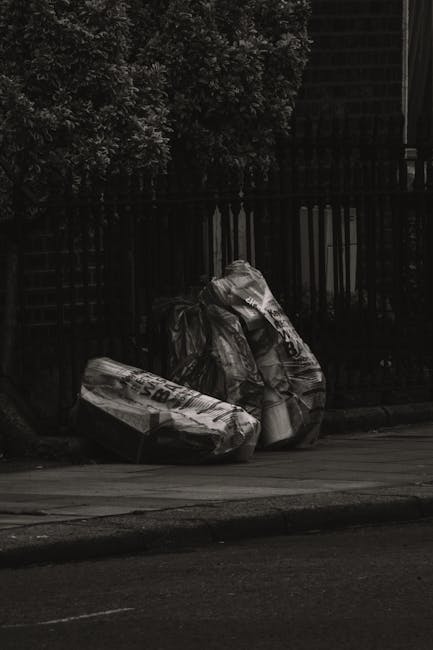
Emergency sofa and bulky rubbish removal in Putney Bridge
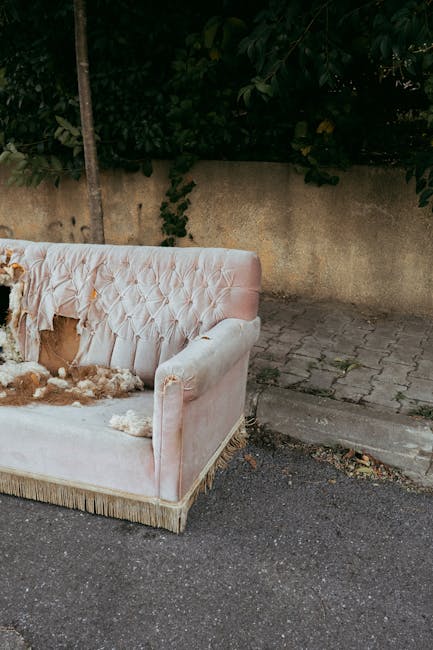
If a sofa is blocking a hallway, a tenant has left bulky waste behind, or you simply need space back fast, emergency sofa and bulky rubbish removal in Putney Bridge can turn a stressful day into something manageable. It sounds straightforward, and sometimes it is. Other times, there are awkward stairwells, tight parking, a lift that is mysteriously "out of order", and a ticking clock because the room needs to be cleared before evening. This guide explains how the service works, when it makes sense, what to watch out for, and how to get a cleaner, calmer result without unnecessary hassle.
Whether you are a homeowner, landlord, letting agent, business owner, or just someone staring at a bulky item and thinking, "Right, that has to go today," the goal is the same: clear it safely, quickly, and properly. Let's make it practical.
Table of Contents
- Why Emergency sofa and bulky rubbish removal in Putney Bridge matters
- How emergency sofa and bulky rubbish removal works
- Key benefits and practical advantages
- Who this is for and when it makes sense
- Step-by-step guidance
- Expert tips for better results
- Common mistakes to avoid
- Tools, resources and recommendations
- Law, compliance, standards, or best practice
- Options, methods, or comparison table
- Case study or real-world example
- Practical checklist
- Conclusion
- Frequently asked questions
Why Emergency sofa and bulky rubbish removal in Putney Bridge matters
Bulky waste has a habit of becoming urgent at exactly the wrong moment. A broken sofa can make a living room unusable. An old armchair in a flat can block a fire exit. A water-damaged corner sofa may start to smell long before you have time to deal with it. In Putney Bridge, where properties range from compact flats to period conversions and busy mixed-use buildings, the problem is often not the item itself but the logistics around it.
Emergency removal matters because speed is only part of the story. The other part is safety. A heavy sofa dragged down a staircase without proper handling can damage walls, injure the person lifting it, or leave you with scratches on floors that cost more to repair than the removal itself. To be fair, bulky rubbish has a way of looking harmless until you try to move it. Then it suddenly weighs twice as much.
There is also the nuisance factor. If waste is left in a communal area, neighbours notice. If a business has excess furniture outside opening hours, it can create a poor impression. And if you are preparing a rental property, delay can push back cleaning, photography, handover, or refurbishment. In short, quick removal helps restore normality. That is the real value here.
Practical takeaway: the best emergency bulky waste service is not just fast; it is organised, careful, and able to remove large items without creating a second problem on the stairs, pavement, or booking schedule.
How Emergency sofa and bulky rubbish removal in Putney Bridge Works
Most emergency sofa and bulky rubbish removal jobs follow a simple pattern, even if the job itself looks messy. You request collection, describe what needs removing, share access details, and agree a time window. The team arrives, assesses access, lifts the item safely, loads it, and disposes of it through the appropriate waste route.
The important bit is the pre-check. A good provider will want to know:
- What the item is, and roughly how many pieces need removing
- Whether it is a sofa, sofa bed, corner unit, recliner, mattress, or mixed bulky waste
- Where the item is located in the property
- Whether there are stairs, lifts, tight turns, or limited parking
- Whether the item is wet, broken, infested, or contaminated
- Whether the job is urgent because of tenancy changeover, flooding, a clearance deadline, or safety concerns
That information helps avoid the classic mismatch where someone books a "simple sofa pickup" and discovers the sofa has to be cut into sections just to get it out. Not dramatic. Just inconvenient. In Putney Bridge, access can be the deciding factor, especially around older buildings, basement flats, and streets where stopping space is limited.
If you need related clearance support, some customers also pair sofa removal with furniture disposal or a wider rubbish removal service so the job is finished in one visit rather than stretched over several.
Key Benefits and Practical Advantages
The obvious benefit is speed. A genuinely responsive service can clear space the same day or on short notice, which is useful when you are under pressure. But there are some less obvious advantages too.
1. Less stress in a tight situation
When a sofa has to go now, people often start with a bit of DIY optimism. Then the sofa catches on the bannister, the back cushions are in the way, and suddenly everyone is tired. A professional removal team removes that friction. You point. They sort it. Simple, and honestly rather a relief.
2. Safer handling of heavy items
Bulky waste is awkward. Sofas may have metal frames, stubborn fabric, broken springs, or hidden sharp edges. Trained handlers know how to move items without damaging walls, lifting themselves into an injury, or creating a scene in the hallway. A narrow staircase is not the place for improvisation.
3. Cleaner disposal outcomes
Responsible removal is about more than getting the item out of your home. Good operators sort reusable, recyclable, and non-recyclable materials where possible, reducing avoidable landfill use. You may not see that part of the process, but it matters.
4. Better fit for urgent local needs
Emergency removal suits situations where time really counts: end-of-tenancy clearances, landlord turnovers, post-renovation clean-ups, shop refits, or a sudden move. If the sofa has to leave before the decorators arrive at 8 a.m., waiting until next week is not much help.
5. Less chance of neighbour complaints or access issues
Bulky items left in shared spaces can quickly become a nuisance. Quick collection keeps communal areas usable and avoids that awkward conversation in the stairwell. Nobody wants that.
| Approach | Best for | Main advantage | Typical downside |
|---|---|---|---|
| DIY move | Very small, light items | No booking required | High risk of injury, damage, and access problems |
| Skip hire | Ongoing renovation waste | Useful for larger mixed loads | Requires space, permits may be needed, and sofa waste can be overkill |
| Emergency removal service | Urgent sofas and bulky items | Fast, handled, and collected from the property | Usually more expensive than non-urgent options |
The right choice depends on urgency, access, and how much else needs shifting. If you only have one couch and a few extras, removal service is often the least painful route.
Who This Is For and When It Makes Sense
This service is not only for people in crisis, though crisis is often what brings the call. It is useful for a broad mix of situations:
- Homeowners replacing a sofa after a move, renovation, or accidental damage
- Tenants who need to clear old furniture before leaving a property
- Landlords and letting agents managing end-of-tenancy clearances, abandoned items, or rapid re-lets
- Businesses disposing of waiting-room seating, office reception furniture, or old soft furnishings
- Families who need help with a loved one's home clearance and want the work handled respectfully
- Property managers dealing with bulky waste left after contractors or occupants move on
It makes particular sense when the item is too large for your vehicle, too heavy for safe solo lifting, or too urgent to leave sitting around. It also makes sense if you need a tidy handover and do not want to spend your Saturday wrestling with foam, screws, and bits of fabric that seem to multiply when you cut into them. Strange but true.
If the need is broader than one sofa, services such as home clearance or flat clearance may be more efficient than booking multiple separate collections. That is especially useful in smaller Putney Bridge properties where access and parking are already at a premium.
Step-by-Step Guidance
If you want the smoothest possible experience, the process is fairly predictable. Here is a practical way to approach it.
- Identify exactly what needs removing. List the sofa type, any matching chairs, footstools, tables, or other bulky rubbish. Don't guess. A rough count helps.
- Check access. Measure doorways if needed, note stairs and lifts, and think about whether the item can leave in one piece or needs dismantling.
- Describe the urgency. If the collection is time-sensitive because of tenancy, decorating, or a safety issue, say so early.
- Prepare the path. Move small objects, unlock gates, and make sure the route from the item to the exit is clear. A five-minute tidy-up can save fifteen minutes of awkward shuffling.
- Confirm the waste type. If the sofa is damp, moldy, damaged by pests, or mixed with other waste, the provider needs to know. It can affect handling and disposal.
- Be present or nominate someone. Someone should be on hand to confirm what goes and answer access questions.
- Check the final sweep. After collection, glance around the original location, hall, and communal route. Small bits of hardware or fabric scraps can get left behind.
That sounds simple, and mostly it is. The value is in avoiding the fiddly bits that slow emergency jobs down. Clear communication does half the work before the team even arrives.
For mixed loads that include old boxes, broken chairs, or general household clutter, a broader waste clearance or rubbish clearance approach can be better than trying to separate everything into tiny bookings.
Expert Tips for Better Results
A few small decisions can make a surprisingly big difference.
Measure before you move
Check the width of the tightest doorway, stair corner, or lift opening. If the sofa has a chunky arm or fixed back, the difference between "fits" and "doesn't fit" can be a couple of centimetres. That is enough to turn a quick job into a delicate puzzle.
Photograph the item and the access route
A couple of photos sent in advance can help a team judge the right vehicle size, crew size, and lifting plan. It also reduces surprise on arrival. Surprises are fun at birthdays. Less so with a three-seater sofa balanced near the front door.
Separate the sofa from extra waste where possible
If you have cushions, rugs, cardboard, or small broken furniture, ask whether it is better to group it or keep the sofa job focused. Sometimes a single-item removal is quicker. Sometimes bundling items is more efficient. The right answer depends on volume and access.
Think about timing and neighbours
Morning collections can be easier in busy areas, especially if parking is tighter later in the day. If you live in a shared building, give neighbours a heads-up. It is just polite, and it can avoid one of those awkward "someone's moving furniture again" moments through the wall.
Check what the item is made from
Leather, fabric, wood, foam, and metal all behave differently. A sofa with a metal frame may need more care, while a damp upholstered piece may require cautious handling. This is one reason an experienced team usually asks a few more questions than you expected.
And one slightly old-fashioned but useful tip: clear the route before the crew arrives. Shoes, plant pots, lamp stands, children's toys, dog beds - all the ordinary clutter that somehow collects in exactly the wrong place. It really does help.
Common Mistakes to Avoid
Most problems in emergency bulky waste jobs come from three things: poor planning, unclear communication, and trying to save time in the wrong place. Here are the classic mistakes.
- Assuming every sofa can be removed the same way. A compact two-seater is not the same as a reclining corner unit, and a sofa bed is another beast entirely.
- Leaving access details out. If there is no lift, a narrow corridor, or restricted parking, say so. Don't leave it to chance.
- Forgetting about hidden extras. Cushions, broken parts, additional chairs, or side tables can change the scope of the job.
- Trying to force the item through a tight space. This is how walls get scuffed and tempers get tested.
- Ignoring disposal rules. Not everything should be left on the street or in a communal area.
- Booking too late. If your deadline is today, waiting until late afternoon to arrange removal rarely helps.
One small but common issue: people sometimes say "it's just a sofa" as if that solves everything. It usually doesn't. To the person carrying it, "just a sofa" might be the widest object in the building. A little respect for the item goes a long way.
Tools, Resources and Recommendations
You do not need much to prepare for a sofa or bulky rubbish removal, but a few practical tools help:
- Measuring tape for doors, stair turns, and lift dimensions
- Phone camera to capture access points and the item condition
- Heavy-duty gloves if you need to move light surrounding clutter
- Sturdy tape or straps for loose cushions or pieces that need bundling
- Cleaning supplies for a quick sweep after the item leaves
For more complex clearances, it can also help to read around related services such as sofa removal, furniture disposal, or broader waste removal options. The right service depends on whether you are dealing with one awkward item or a fuller clear-out.
If your bulky waste is part of a bigger refresh, you might also find that house clearance or office clearance is more suitable than a single-item visit. Put simply: match the service to the scale of the problem.
Law, Compliance, Standards, or Best Practice
In the UK, waste should be handled responsibly, and you should be careful about who takes it away. That does not mean you need to become an expert in waste regulation overnight. It does mean you should use a provider that can dispose of items properly rather than dumping them somewhere unsuitable. The practical rule is simple: if someone offers a suspiciously cheap collection and cannot explain where the waste goes, be cautious.
For sofas and other bulky items, best practice usually includes safe lifting, sensible sorting, lawful disposal routes, and clear communication about what is being collected. In shared buildings or on busy streets around Putney Bridge, it is also good practice to avoid blocking entrances, leaving items in communal areas, or creating a trip hazard while waiting for pickup.
If you manage property, you may also have internal responsibilities around tenant handovers, communal area tidiness, and making sure rubbish is not left in a way that creates complaints or unsafe conditions. Councils and building managers may have their own local expectations too, so it is worth checking building rules where relevant. Nothing glamorous there, but it saves trouble.
For a deeper understanding of rubbish rules and local expectations, some readers also review guidance like what to know about Wandsworth Council rubbish rules. That can be useful if you are trying to decide what is yours to handle and what needs a proper collection.
Options, Methods, or Comparison Table
If you are deciding between removal methods, this comparison may help.
| Method | Speed | Convenience | Best suited to | Watch-outs |
|---|---|---|---|---|
| DIY disposal | Low to medium | Low | Very small, manageable items | Injury risk, vehicle limitations, loading issues |
| Local tip run | Medium | Low to medium | People with transport and time | Heavy lifting, parking, multiple journeys |
| Skip hire | Medium | Medium | Ongoing renovation or larger mixed waste | Space, permits, and cost if only one sofa is involved |
| Emergency removal service | High | High | Urgent bulky waste, sofas, and fast clearances | Cost may be higher for same-day attendance |
If you are dealing with a single sofa plus a handful of extras, the emergency route often wins on time and simplicity. If you are clearing a garage or garden after months of build-up, a different approach may make more sense. There is no prize for choosing the most complicated option.
Case Study or Real-World Example
Picture a typical Putney Bridge flat on a damp Tuesday afternoon. The sofa has finally given up the ghost after years of loyal service. One arm is sagging, the cushions are uneven, and the landlord has arranged new flooring for the next morning. The tenant wants it gone today. Not next week. Today.
On inspection, the sofa is too long for the lift and the stairwell has a tight turn at the landing. The solution is not to drag harder. That is how you get a dent in the wall and a bad mood to match. Instead, the item is assessed properly, access is cleared, and the sofa is removed in a way that protects both the property and the people moving it. The hallway stays clean, the replacement flooring can go ahead, and the flat is ready for the next stage.
That is the sort of outcome emergency removal is meant to deliver. Not drama. Not chaos. Just a clean handover and one less thing to worry about. Sometimes that is enough to make the whole day feel lighter.
Practical Checklist
Use this quick checklist before booking emergency sofa and bulky rubbish removal in Putney Bridge:
- Confirm exactly which items need removing
- Check whether the sofa is one piece, sectional, or a sofa bed
- Measure doors, stair turns, and lift access if the route is tight
- Take photos of the item and access points
- Clear the path from the item to the exit
- Tell the provider about parking limits, stairs, or no-lift access
- Separate hazardous, wet, or contaminated waste if relevant
- Decide whether you need single-item removal or a wider clearance
- Schedule the collection as early as possible if time is tight
- Do a final sweep after collection so nothing small is left behind
Quick summary: the smoother the access, the faster the job. The clearer the description, the fewer surprises. And the fewer surprises, the calmer the day.
Conclusion
Emergency sofa and bulky rubbish removal in Putney Bridge is really about restoring space, safety, and momentum when you do not have time to spare. A good service removes the item, handles the awkward lifting, and keeps the process straightforward from first call to final sweep. That matters whether you are clearing a flat, managing a rental, updating an office, or just trying to reclaim a room that has started to feel smaller by the day.
The best results come from a little preparation, honest access details, and choosing the right level of help for the job. If you do that, the whole thing becomes much less stressful than it first looks. And that's a relief, frankly.
Get a free quote today and see how much you can save.
When the bulky item is finally out of the way, the room feels different straight away - lighter, quieter, easier to live in. That little bit of breathing room can make all the difference.
Frequently Asked Questions
How quickly can emergency sofa and bulky rubbish removal be arranged in Putney Bridge?
It depends on availability, access, and the size of the job, but urgent collections are often arranged for the same day or at short notice when the schedule allows. The key is to give accurate details right away so the provider can confirm whether they can respond quickly.
Can you remove a sofa from a flat with no lift?
Yes, usually. That is very common in London properties. The important part is letting the team know about stairs, narrow landings, and awkward turns beforehand so the right approach and enough help can be planned.
What counts as bulky rubbish?
Bulky rubbish usually means items too large or awkward for normal household bins, such as sofas, armchairs, tables, wardrobes, mattresses, and other oversized household or office items. If you are unsure, describe the item and ask whether it can be included.
Is emergency removal more expensive than standard collection?
Often, yes, because urgent jobs need quicker scheduling and sometimes more labour or vehicle planning. Even so, it can be cheaper than delaying a job that then causes damage, missed deadlines, or extra handling costs.
Do I need to dismantle the sofa before collection?
Usually no, unless access is very tight or the provider asks for it. Many sofas can be removed intact or partly dismantled by the collection team. If you do dismantle anything yourself, keep screws and fittings together.
What should I do with cushions, throws, and extra bits?
Keep them together and mention them when booking. Small extras can be removed with the sofa, but they should be listed so the team knows the true volume of waste.
Can mixed waste be collected with the sofa?
Often it can, as long as you describe it clearly. A few boxes, small tables, or other furniture items may be fine. If the load includes unusual waste or anything contaminated, say so early because it can affect handling and disposal.
How do I know if a removal service is reputable?
Look for clear communication, sensible questions about access, and a professional explanation of what happens to the waste. If a provider seems vague about disposal, that is a warning sign. Straight answers are usually a good sign.
What if the sofa is wet, damaged, or infested?
Tell the provider before booking. Wet, damaged, or infested items may need special handling and can affect safety and disposal arrangements. It is better to be upfront than to create problems on arrival.
Can I combine sofa removal with a bigger clearance job?
Yes, and in many cases that is more efficient. If you have several rooms, a loft, garage, or office space that also needs clearing, a broader service such as home clearance, flat clearance, or waste clearance may be the better fit.
What happens if access is difficult on the day?
The team will usually try to work through it safely, but access problems can slow the job down or change the scope of what can be removed. That is why photos, measurements, and honest details before arrival are so useful.
Is it better to book in the morning or later in the day?
Morning can be easier for urgent jobs because it gives more flexibility if there is a delay or a second visit is needed. But the best time is the one that fits your deadline and the provider's availability. If the sofa has to go today, earlier is generally better.