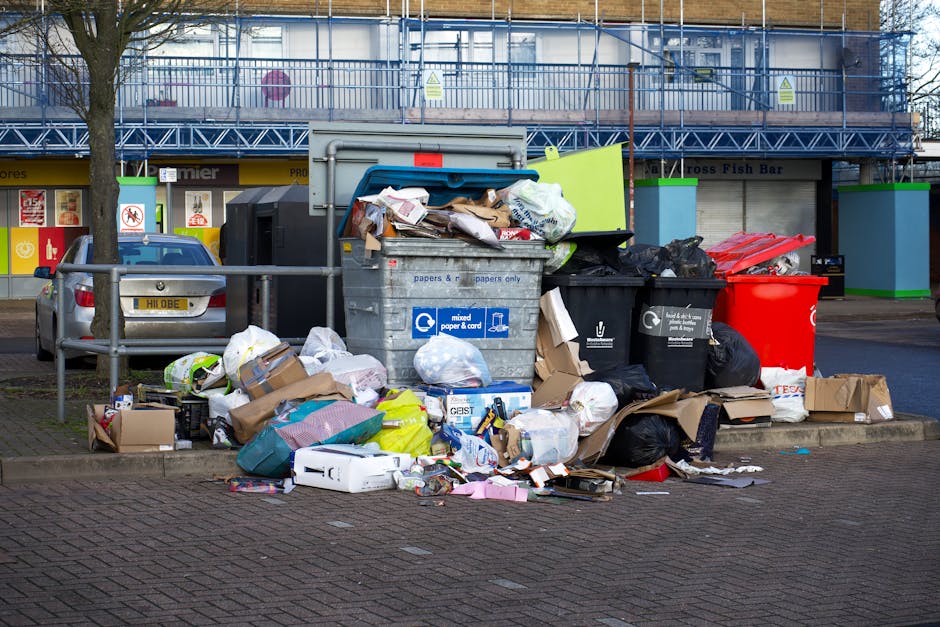
What to know about Wandsworth council rubbish rules
If you live, rent, or run a property in Wandsworth, rubbish rules can feel strangely fiddly for something so everyday. One week it's a missed bin because of the lid, the next it's a sofa left on the pavement that should have gone through the proper route. This guide explains What to know about Wandsworth council rubbish rules in plain English, so you can avoid fines, prevent collection issues, and choose the most practical way to clear waste without creating a headache for yourself.
We'll cover how the system generally works, what people often get wrong, when council collection is enough, and when a private clearance option may save time and stress. Truth be told, once you understand the basics, it becomes a lot less daunting.
- Why these rubbish rules matter
- How the system works
- Key benefits and practical advantages
- Who needs this and when it makes sense
- Step-by-step guidance
- Expert tips for better results
- Common mistakes to avoid
- Tools, resources and recommendations
- Law, compliance, standards and best practice
- Options and comparison
- Real-world example
- Practical checklist
- Conclusion
- Frequently asked questions
Why What to know about Wandsworth council rubbish rules Matters
Rubbish rules sound simple until you're standing next to a full black sack, a broken chair, or a pile of packaging after a renovation and wondering what counts as household waste, what needs a special collection, and what must never go in the wrong bin. In Wandsworth, as in the rest of London, the rules matter because waste is managed in shared streets, dense housing, and busy collection schedules. One mistake can affect neighbours as much as it affects you.
There's also the practical side. If waste is left out incorrectly, it can attract vermin, block pavements, and create a mess that spreads fast in wet weather. You know the kind of morning: bins knocked, cardboard soggy, a faint smell in the air. Nobody wants that outside a block of flats or on a terrace street.
For landlords, tenants, homeowners, and small businesses, understanding the rules helps you:
- avoid missed collections and avoidable repeat work
- reduce fly-tipping risks around the property
- choose the right disposal route for bulky items
- keep shared entrances, pavements, and communal areas clear
- stay on the right side of local expectations and national waste duties
That last point matters more than people think. Waste is one of those "easy to ignore until it isn't" topics. A little preparation saves a lot of chasing around later.
How What to know about Wandsworth council rubbish rules Works
At a basic level, the council's rubbish system usually follows a simple pattern: put the right material in the right container, present it at the right time, and do not overload or contaminate the collection. That's the broad logic. The detail is where people slip up.
Household waste normally covers everyday rubbish from the home: food packaging, general non-recyclable waste, broken household items in small amounts, and some mixed waste that cannot be recycled. Recycling streams are separate, so clean paper, cardboard, glass, tins, cans, and certain plastics should go where they belong rather than being tossed into general rubbish because it's quicker. Quicker now, awkward later.
Bulky items are different again. A mattress, wardrobe, sofa, fridge, or a load of old furniture usually needs a specific collection arrangement or a clearance service. If you're dealing with a one-off room clear-out, services such as rubbish clearance or furniture disposal are often more practical than trying to force everything into normal bins. For larger domestic projects, home clearance or house clearance can be a cleaner fit.
Commercial waste works differently again. A shop, office, salon, cafe, or trade premises should not assume residential rules cover business rubbish. If you're sorting waste from a workplace, have a look at business waste and office clearance for the kind of support that suits non-household jobs.
In practice, the council framework tends to expect a few core behaviours:
- Separate recyclables from general waste where required.
- Do not leave loose rubbish beside bins unless the rules specifically allow it.
- Keep waste contained so it does not blow about or leak.
- Arrange the right collection method for bulky, hazardous, or unusual items.
- Do not dump items on pavements, in communal hallways, or by overfilled bins.
That sounds straightforward. It often is. The tricky bit is when a move, renovation, or clear-out throws up odd items that do not fit the normal weekly rhythm.
Key Benefits and Practical Advantages
Following the rules is not just about compliance. It genuinely makes life easier. That sounds like a cliche, but in this case it's true.
Cleaner streets and shared spaces. Properly presented rubbish reduces overflow, smell, and the kind of windblown mess that ends up in front gardens and stairwells. In flats especially, one person's shortcut becomes everyone else's nuisance.
Less chance of collection problems. If the waste is sorted properly and placed out correctly, collections are more likely to happen without issue. Missed pickups are frustrating, especially when you've already spent your Sunday wrestling with bags and boxes.
Better recycling outcomes. Mixed waste is harder to process. Separating recyclable items can keep more material out of landfill or energy recovery streams. The environmental gain is real, even if it's not glamorous.
Safer handling of awkward items. Broken glass, heavy furniture, wet garden waste, and renovation debris all need different handling. Choosing the right route reduces lifting injuries, spills, and trip hazards.
Less stress during life changes. Moving house, clearing a late relative's property, or emptying a rental between tenants is stressful enough. Clear rules, plus the right service, can remove a lot of friction. Sometimes you just want the room empty and the dust gone by tea time.
If you're dealing with mixed waste streams, there is often a better option than overstuffing the nearest bin. Services such as waste removal, waste collection, and waste disposal are designed to handle this more efficiently.
Who This Is For and When It Makes Sense
This topic matters to a wide range of people, not just homeowners. If you live in Wandsworth, there's a decent chance you'll need to think about rubbish rules sooner or later. Maybe not today. Probably soon enough.
- Homeowners who are clearing garages, lofts, sheds, or gardens
- Renters who need to leave a property tidy at the end of a tenancy
- Landlords and letting agents managing end-of-tenancy clearances
- Flat residents who have limited storage and shared bin areas
- Businesses dealing with office furniture, packaging, or general workplace waste
- Trades and refurb teams producing mixed building waste or packaging
- Families who are replacing furniture and need old items removed safely
It also makes sense if you are dealing with one of those awkward in-between jobs. For example, a two-seater sofa, a broken wardrobe, and a stack of old boxes after a move. That's not really a normal bin day job. It's more of a "please help, this has become a thing" job.
For furniture-heavy clear-outs, sofa removal and furniture disposal can save a lot of lifting and back-and-forth. For larger clearances, a service like waste clearance is often easier than trying to self-manage a sequence of council-approved steps.
Step-by-Step Guidance
Here's the simplest way to handle rubbish correctly in Wandsworth without overcomplicating it.
- Identify the waste type. Start with the basics: general waste, recycling, bulky item, garden waste, builder's waste, or business waste. If it does not fit the weekly bin, pause and classify it properly.
- Separate what can be separated. Clean cardboard, cans, bottles, and reusable items should not be dumped together with food waste and broken furniture. The easier you make the sort, the easier the rest becomes.
- Check whether the item needs special handling. Mattresses, large furniture, electricals, and renovation debris often require a different disposal route. A bedside lamp is one thing; a fridge freezer is another.
- Present waste correctly. Containers should be closed, placed where collections expect them, and not blocked by cars, plant pots, or bikes. A surprisingly common problem is simply poor presentation.
- Arrange bulky disposal in advance. If you know you're getting rid of large items, book ahead rather than waiting until they've become an obstacle in the hallway.
- Keep communal areas clear. In blocks of flats, never leave rubbish in corridors or by front doors. It creates fire risk, access issues, and a nasty impression. Also, it's usually just annoying for everyone.
- Choose the right service for the job. For domestic clear-outs, rubbish removal or rubbish collection may be enough. For bigger or more mixed loads, consider dedicated removal and disposal support.
A useful habit is to sort as you go. Don't pile everything in the hallway and sort at the end if you can avoid it. In a real home, that tends to become a mountain very quickly.
Expert Tips for Better Results
After you've dealt with enough clearances, a few patterns become obvious.
Keep one "unknowns" box. If an item is broken, sharp, electrical, or potentially recyclable but you're not sure where it goes, put it aside until you can verify the right route. Better a small pause than a wrong bin.
Break large jobs into categories. One pile for furniture, one for paper and cardboard, one for small general waste, one for items that need special disposal. It sounds dull. It works.
Think about access before collection day. Can someone get the item out of the property without scratching stairs, walls, or lifts? Is there a narrow gate? A shared entrance? A parking restriction? These little things change the whole plan.
Use photos when requesting help. If you are speaking to a clearance company, a few clear photos can prevent a lot of guesswork. You do not need a staged photo shoot. Just honest pictures in daylight are usually enough.
Plan around wet weather. London rain has a habit of turning cardboard into mush and making bin handles slippery. If you can get waste out before a downpour, do it. Your future self will thank you.
Do not assume "small amount" means "anywhere". A few bricks, a broken appliance, or some garden cuttings can still be the wrong waste stream. Small does not always mean simple.
And a slightly human note: if your waste job is making you cross by 8am, that's usually a sign the easier route is worth paying for. Peace of mind has value too.
Common Mistakes to Avoid
Most rubbish-related problems come from a handful of repeated mistakes. Nothing dramatic, just everyday slips that snowball.
- Overfilling bins. Lids that cannot close are a common reason for collections to be refused or messy.
- Mixing recyclables with general rubbish. One wrong bag can contaminate the lot.
- Leaving waste beside bins. This often looks like fly-tipping, even if you meant to deal with it later.
- Ignoring bulky item rules. Sofas, mattresses, and cupboards usually need a different disposal route.
- Using the wrong skip or clearance method for builders' waste. Construction rubble, plasterboard, timber, and packaging don't all behave the same way.
- Dumping garden waste in the wrong place. Grass cuttings and branches can be heavier and bulkier than people expect.
- Assuming business waste can be treated like household waste. That often causes avoidable compliance problems.
If you are clearing a property with odd, bulky, or mixed waste, a specialist service is usually less stressful than trying to improvise. For example, builders waste is best handled with a route designed for construction debris, not general household bin bags. Likewise, a garden full of cuttings, soil, and broken planters can be better managed through garden clearance.
Tools, Resources and Recommendations
You do not need fancy equipment to manage rubbish properly, but a few basic tools make life easier:
- Sturdy gloves for handling sharp or dirty items
- Heavy-duty sacks for general waste and non-recyclable items
- Reusable boxes or crates for sorting recyclables and keep items dry
- Tape, labels, and a marker for identifying mixed materials or keeping small parts together
- A trolley or sack barrow for heavier loads if access allows
- Phone photos to document what needs to go before a collection or clearance
On the service side, it helps to know which type of support fits which task. A quick comparison is often enough to point you in the right direction.
For a general overview of the company and its approach, you can also review about us. If you need to ask a question about a specific clearance, use contact us rather than guessing. And if you want to understand the site's operating terms, the terms and conditions and privacy policy are there for reference.
Law, Compliance, Standards, or Best Practice
Waste handling in the UK is not just a matter of convenience. There are legal and practical duties around keeping waste contained, preventing nuisance, and ensuring it is transferred and disposed of properly. You do not need to be a legal expert to stay on the right track, but you should treat rubbish as something that can carry responsibility, not just clutter.
Best practice usually means:
- keeping waste in the correct container or secure pile until collection
- not obstructing pavements, entrances, or shared access routes
- separating recyclables where the system requires it
- ensuring waste is passed to a legitimate carrier or collection route
- treating hazardous, sharp, or electrical items with extra caution
If you are a landlord or business owner, the standard should be a little higher again. Shared access, repeat occupancy, and regular turnover mean waste can quickly become a pattern rather than a one-off. That is where a decent routine pays off. Nothing glamorous, but very effective.
For builder, trade, or refurbishment waste, using the right disposal method matters because mixed loads can create safety and handling issues. And with commercial waste, a specific business-focused solution is usually the better fit than treating everything like domestic rubbish.
Options, Methods, or Comparison Table
Different waste situations need different responses. Here's a simple comparison to help you decide.
| Option | Best for | Strengths | Watch-outs |
|---|---|---|---|
| Council bin collection | Routine household waste and standard recycling | Simple, familiar, usually low effort | Not suited to bulky, mixed, or unusual waste |
| Special bulky collection | Large household items such as sofas, wardrobes, and mattresses | Clears awkward items without using your own transport | May require booking and preparation |
| Rubbish removal service | Mixed domestic loads and one-off clear-outs | Fast, flexible, less lifting for you | Choose a provider that matches the waste type |
| House or home clearance | Whole-property clearances, moves, or probate-related jobs | Efficient for larger projects and multiple item types | Needs clear instructions and access planning |
| Builders waste service | Renovation debris, rubble, timber, and mixed trade waste | Better suited to construction materials | Keep hazardous or specialist waste separate |
| Business waste service | Office, retail, and workplace rubbish | More appropriate for commercial needs and routines | Do not rely on household assumptions |
If you want the least friction, match the waste to the method. That one decision removes a lot of faff.
Case Study or Real-World Example
A small flat in Wandsworth is getting ready for a tenancy change. The outgoing tenant has left a broken dining chair, a flat-pack wardrobe, several bags of mixed rubbish, and an old sofa that was never going to fit through the lift cleanly anyway. The hallway is narrow, the front door opens onto a shared entrance, and the weather is doing that half-rain, half-mist thing London does so well.
If someone tried to leave all of that out with the regular bins, the result would likely be a mess: blocked access, complaints from neighbours, and items sitting around too long. Instead, the sensible route is to separate what can be recycled, arrange proper disposal for the sofa, and clear the remainder through a suitable service. In many cases that means a combination of flat clearance and targeted rubbish collection.
What changes? Not just the speed. The whole feel of the job changes. The flat goes from cramped and stressful to ready for cleaning, repainting, and re-letting. No one is tiptoeing past a pile of old furniture for two more days. That kind of relief is hard to measure, but very real.
We see the same pattern with garages and sheds too. A packed garage can feel impossible until someone takes the first load away. Then, oddly enough, the space seems to breathe again. A small thing, but a good one.
Practical Checklist
Use this quick checklist before you put rubbish out or book a clearance.
- Have I identified whether this is general waste, recycling, bulky waste, garden waste, builders waste, or business waste?
- Have I removed items that can be reused, donated, or recycled separately?
- Is anything sharp, wet, heavy, or potentially hazardous?
- Will the waste fit the council's normal collection method, or does it need a special service?
- Is access clear for collection without blocking doors, pavement, or neighbours?
- Have I avoided overfilling bags and bins?
- Do I need help with furniture, a sofa, or larger household items?
- Have I kept business waste separate from household waste?
- Is the waste ready for collection on the correct day and at the correct time?
- Do I need to speak to a clearance provider before moving anything heavy?
If you can answer yes to most of those, you're in good shape.
Get a free quote today and see how much you can save.
Conclusion
The main thing to know about Wandsworth council rubbish rules is that they reward simple habits: sort properly, present waste correctly, and use the right route for bulky or unusual items. That's the heart of it. Once you understand the difference between normal household rubbish and everything else, you stop fighting the system and start working with it.
For many people, the smartest choice is not trying to make every item fit the weekly bin. It is choosing a disposal method that matches the job, the property, and the timing. Whether you are clearing a flat, dealing with a sofa, or sorting out a bigger mixed load, the calmer path is usually the better one. And, honestly, the less stressful one too.
Do the small things right, and the bigger jobs become much easier. That's usually how it goes.
Frequently Asked Questions
What is the main rule for rubbish disposal in Wandsworth?
The main rule is to separate waste correctly, use the right container or collection method, and avoid leaving rubbish where it can create obstruction or nuisance. In practice, that means general rubbish, recycling, bulky items, and business waste should each follow the right route.
Can I leave a sofa out with my normal bin collection?
Usually no. Sofas are bulky items and generally need a dedicated disposal route. A sofa removal or furniture disposal service is often the cleaner option, especially if the item is awkward to carry or will not fit through shared access.
What happens if I put the wrong waste in the wrong bin?
Collections may be missed, the bin may be left unemptied, or the waste may create contamination problems. Repeated mistakes can also lead to complaints from neighbours or the property manager. It's one of those small issues that grows legs.
Do businesses follow the same rubbish rules as households?
Not exactly. Businesses usually need their own waste arrangements and should not rely on household collection rules. Office, retail, and trade waste often needs a specific commercial solution.
What counts as bulky waste?
Bulky waste is anything too large or awkward for normal bin collections, such as sofas, mattresses, wardrobes, tables, white goods, or large broken items. If you have to wrestle it through a doorway, it probably counts.
Can garden waste go in the general rubbish bin?
Sometimes very small amounts might be accepted depending on the bin and local arrangements, but as a rule garden cuttings, branches, and soil are better handled separately. A garden clearance service is often the simplest way to deal with bigger amounts.
Is builders waste treated differently from household rubbish?
Yes, builders waste should be handled separately because it often includes heavier, mixed, or more awkward materials such as rubble, plasterboard, timber, and packaging. Using a dedicated builders waste service is usually more appropriate.
What should I do with waste from a flat move?
Sort what can be reused or recycled, then separate the bulky items from general rubbish. For a full or partial clear-out, flat clearance can be a very practical option, especially where access is tight or the building has shared areas.
How do I avoid fly-tipping problems around my property?
Keep waste contained until collection, do not leave loose items in communal areas, and use proper removal for anything too large for the bin system. If you are a landlord or agent, clear tenant instructions also help a lot.
What is the easiest way to clear mixed waste quickly?
For mixed loads, a rubbish removal or waste clearance service is often the easiest way to get everything moved in one go. It saves sorting headaches and reduces the chance of items being left behind.
Are there rules for disposing of electrical items?
Yes, electrical items should not be treated as ordinary rubbish. They usually need a separate route because of the materials and components involved. If you have several items, it is worth grouping them before arranging disposal.
When should I choose a home clearance instead of normal rubbish collection?
Choose home clearance when you have a larger mix of items from several rooms, such as furniture, boxes, soft furnishings, and general rubbish. If it is more than a straightforward bag-and-bin job, clearance is often more efficient.
Understanding rubbish rules is one of those unglamorous but genuinely helpful bits of local life. Get it right once, and the whole house, flat, or workplace feels easier to manage.